


The A480 project includes numerous measures promoting biodiversity: 50,000 trees planted for landscape integration, intensive farming areas transformed into wetlands with adapted agri-environmental exploitation (hay meadows, eco-grazing), wooded areas managed and turned into islands offering better protection to significant local heritage fauna, etc. This is the context in which project owner AREA has been working since last autumn in the woods of Gélinot, in a commune close to Grenoble. In this wooded area, streams have dried out and groundwater levels have dropped, resulting in the appearance of exotic and invasive plants such as the Robinia false acacia, which impoverishes the diversity of the environment.
Innovative ecological methods
In its A480 development project, AREA has committed to a strategy of offsetting ecological impacts and to environmental protection measures. For example, forestry works are being carried out in the woods of Gélinot, in partnership with the commune of Noyarey. AREA has been assisted in this work by engineering consultants BIOTEC, who are specialists in ecological engineering, in its bid to restore plant biodiversity in the woods.
To reduce the Robinia false acacia population, two teams are working on felling these extremely dynamic trees. This work must include removal of the roots to be really effective. This is being done by traditional mechanical equipment and horses that specialise in this type of project, working side by side. The solution has the advantage of being kinder to the soil and the local vegetation. AREA has opted for this solution as much as possible. Three horses are currently being used to take care of the felling, wood extraction and root removal work.
Another way of reducing this invasive plant is girdling, which consists in removing part of the tree bark to a depth of several centimetres to prevent sap from rising. The tree, which will then die standing, becomes a precious ally, then acting as a natural habitat for species of heritage significance such as insects, bats and birds.
Works 100% financed by AREA
Lastly, at the end of 2020 a planting phase began in the areas treated, using young seedlings taken directly from the woods themselves. This allows these species to compete and prevent the Robinia from returning, based on natural regeneration of the “local plant species” in the woods.
After the end of the woodland works, which are fully financed by AREA, a 3-year period is foreseen during which time the company that carried out the works will also perform monitoring and consolidation so that optimal results are guaranteed. But the project doesn’t end there, as AREA is committed to management and monitoring of the Gélinot woods until 2036.
Photo credits: Fabrice Grondeau
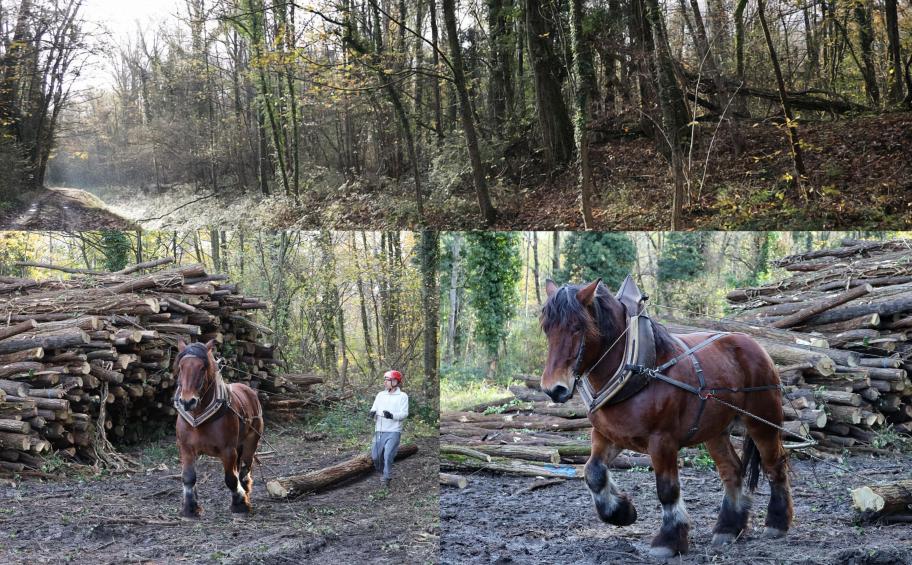
A480: “kind” and innovative woodland works
As part of the A480 Grenoble urban motorway development project, AREA (APRR Group) is implementing various measures in favour of the environment. One such measure is how the woods of Gélinot are being managed in order to protect biodiversity of heritage significance.
Log in
to see or publish a comment
